• Skip to main content
  • Skip to main content
Choose which site to search.
University of Arkansas for Medical Sciences Logo University of Arkansas for Medical Sciences
Culinary Medicine
  • UAMS Health
  • Jobs
  • Giving
  • About Us
    • Message from the Provost
    • Message from the Program Director
    • What is Culinary Medicine?
    • Meet the Team
    • News
  • Campus and Community Outreach
    • Teaching Kitchen Video Series
  • HOPE for Cancer Produce Prescription Program
  • How Can You Help?
  • Resources
    • Food Allergy Disclaimer Form
    • Food Allergy Research and Education Videos
  • Student Information
    • Course Enrollment
    • Syllabus for All Colleges
    • Course Location
    • Faculty
      • Alyssa Frisby, MS, RD, LD
      • Destiny Chau, M.D.
      • Gina Drobena, M.D., FCAP
      • Amy M. Scurlock, M.D., FAAP, FAAAI
      • Brittany Wilkerson, MPAS, PA-C, dipACLM
    • Student Resources
      • Brightwater
  • Testimonials
  • Get Involved
  1. University of Arkansas for Medical Sciences
  2. Culinary Medicine
  3. News
  4. Page 4

News

Culinary Medicine Program Opens New Kitchen

By Ben Boulden 

What used to be a space where people could eat lunch is now a place where people will make lunches and other meals as part of the UAMS Culinary Medicine Program.

Little Rock Mayor Frank Scott Jr., far right, holds the ribbon as Gloria Richard-Davis, M.D., gets ready to cut it and officially open the the new Culinary Medicine Kitchen at UAMS.

On October 5, the program reached a milestone in its brief history as it formally opened its new Culinary Medicine Kitchen to teach and train faculty and students how to prepare healthy, toothsome meals. The kitchen occupies what was formerly a dining area on the first floor of the Donald W. Reynolds Institute on Aging.

Culinary medicine is a new evidence-based field in medicine that blends the art of food and cooking with the science of medicine. Culinary medicine’s goal is to help people make good personal medical decisions about accessing and eating high-quality meals that help prevent and manage chronic disease and restore well-being.

Using a temporary space provided by University of Arkansas-Pulaski Technical College, the program’s registered dietitian, Margaret Pauly and college of medicine faculties have provided instruction in culinary medicine to 213 students enrolled in one-night interprofessional simulation events or its eight-week courses meeting once per week for the past two years. The course has been open to senior medical students as an elective, and students from the College of Pharmacy and the Physician Assistant Studies program in the College of Health Professions have joined as well. The program has also offered limited employee and community courses with plans to expand.

In the newly renovated space, thanks to generous donors, the program will provide the convenience of on-campus Culinary Medicine Program classes.

“This on-campus teaching is more convenient for students, and we think participation will increase greatly when there isn’t a transportation issue to and from UA-Pulaski Tech,” said Stephanie Gardner, Pharm.D., Ed.D., provost and chief strategy officer. She added that UA-Pulaski Tech has been very accommodating and generous in its support.

The curriculum of the program does not strictly teach a vegetarian lifestyle, but it does place an emphasis on a more heavily plant-based diet of fruits and vegetables, said Gloria Richard-Davis, M.D., the program’s director. The menu is a Mediterranean-based diet, which has been shown to contribute greatly to longevity and heart health, is even known to reverse some cardiovascular disease.

“The reality is we are a very unhealthy society,” Richard-Davis said. “We are trying to make a difference. Arkansas has some of the worst health and nutrition statistics of any state. This program was born out of a passion to teach our students about nutrition, how to prepare healthier meals and hopefully to change their lives. That they will in turn teach our patients another healthier way of life.”

With that in mind, Gina Drobena, M.D., read to the audience at the opening celebration a letter she received from a student who is now an intern in North Carolina. Drobena is the course director  and also an associate professor in the UAMS College of Medicine Department of Pathology.

The student wrote: “I enjoyed the culinary medicine rotation at UAMS last year and want to include it in my practice long-term. I want to start a program here, but I am not sure where to start. Would you mind helping?”

Drobena said the letter is a great example of what the program seeks to accomplish in culinary medicine — students being inspired to take what they learn and use it to teach healthy nutrition and cooking to their patients and colleagues. In the near future, the program hopes to expand instruction to UAMS employees and communities of Arkansas, too, allowing members of the public to sign up for classes.

“I’m so excited about tonight,” Gardner said, gesturing toward the kitchen. “It’s a dream we’ve shared for a couple of years, and we’re eager to have you walk through and see the space where students, faculty, resident and community members will be able to learn more about nutrition and healthy eating.”

Using a curriculum created by Tim Harlan, M.D., at Tulane University’s Goldring Culinary Institute in New Orleans, the program delivers a comprehensive hands-on interactive course.

The program was started with Chancellor Patterson’s vision and support. The seed money for the program was a Chancellor’s Circle grant and it has received several nonprofit grants to support its community outreach programs from the American Cancer Society, Robert Wood Johnson, Arkansas Medical Foundation, Ardmore Institute of Health and recently another Chancellor’s Circle grant. In partnership with community organizations, UAMS will soon launch a program to increase chronic kidney disease awareness focused on decreasing prevalence in the African American community. The Culinary Medicine program also has worked closely with the Mexican Consulate to deliver community programs in Spanish.

Little Rock Mayor Frank Scott Jr. and Tonya Johnson, R.D., director of UAMS Nutrition and Hospitality Services, spoke briefly before a ceremonial ribbon-cutting. Johnson also handed out several healthy meal kits to guests to promote the new Fresh & Reddie service the university plans to roll out in January to all UAMS faculty, staff and students.

The Fresh & Reddie program will market inexpensive healthy meal kits with fresh ingredients and easy-to-prepare recipes, using the principles of culinary medicine.

Filed Under: News

Dr. Richard-Davis Spoke at National Menopause Convention

Gloria Richard-Davis, M.D., FACOG

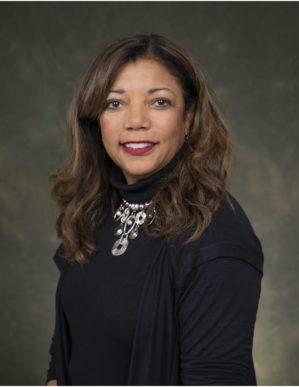
Gloria Ríchard-Davis, M.D., MBA, spoke at the 2021 Annual Meeting of the North American Menopause Society. She educated healthcare providers on using culinary medicine to improve health outcomes in midlife women and offered tips for women on using food as medicine to manage weight and overall health. 
Filed Under: News

UAMS Joins the Teaching Kitchen Collaborative

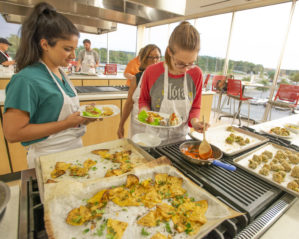
students cooking in the kitchen

We are excited to join the Teaching Kitchen Collaborative, a unique group of medical professionals, chefs, educators, researchers, and food system experts dedicated to the improvement of personal and public health.

Learn more about the Teaching Kitchen Collaborative.

Filed Under: News

Teaching Kitchen Coming Soon

Save the Date: Ribbon cutting ceremony on October 5, 2021 at 5:30 p.m.

The UAMS Culinary Medicine program is moving to a brand newly renovated teaching kitchen in the Reynold’s Institute on Aging at 629 Jack Stephens Dr, Little Rock, AR 72205.

We are excited to be moving into our own space on UAMS campus. This will provide the convenience of on campus classes for our students, faculty and staff. We hope to add community outreach programs and continuing medical education for health care providers.

Look for updates in the coming weeks.

artist’s conception of the Culinary Medicine teaching kitchen

Filed Under: News

UAMS Featured in the Zest: Health Meets Food Newsletter

Gloria Richard-Davis, M.D., FACOG
Gloria Richard-Davis, M.D., MBA
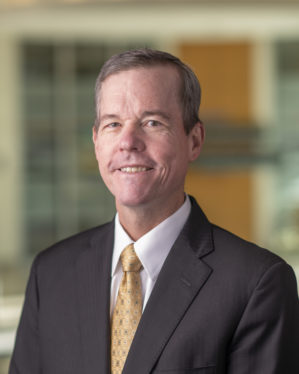
Cam Patterson, M.D., MBA

Dr. Gloria Richard-Davis and Dr. Cam Patterson were interviewed in the July 2021 Zest Culinary Medicine Newsletter. Read it on the CulinaryMedicine.org website.

Filed Under: News

Dr. Drobena to Speak at the Plant Strong Club

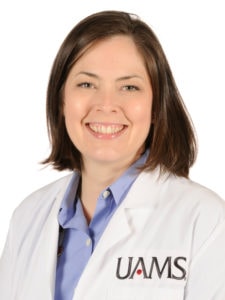
Gina Drobena, M.D.Dr. Gina Drobena will speak about the culinary medicine program and lifestyle medicine at the February 3 meeting of the Little Rock Plant Strong Club.  Get more details on the Plant Club website.
Filed Under: News

Program Featured on ArkLaTex Homepage

Filed Under: News

Culinary Medicine Learn on Demand Opportunity

Culinary Medicine: An Ideal Interprofessional Opportunity

Presenter: Gina Drobena, M.D.

CME Credit is available! Click the link below for more information:

https://learnondemand.org/lms/activity?@activity.id=6769399

Filed Under: News

Culinary Class Offered to Patients During Infertility Awareness Week

By Katrina Dupins

May. 10, 2019 | A group of women gathered inside a commercial kitchen in Little Rock recently for a UAMS-led culinary medicine cooking class.

Culinary medicine is the practice of helping patients use nutrition and good cooking habits to restore and maintain health. UAMS is developing a culinary medicine program for health profession students, but this is the first time a class like this has been offered to the community.

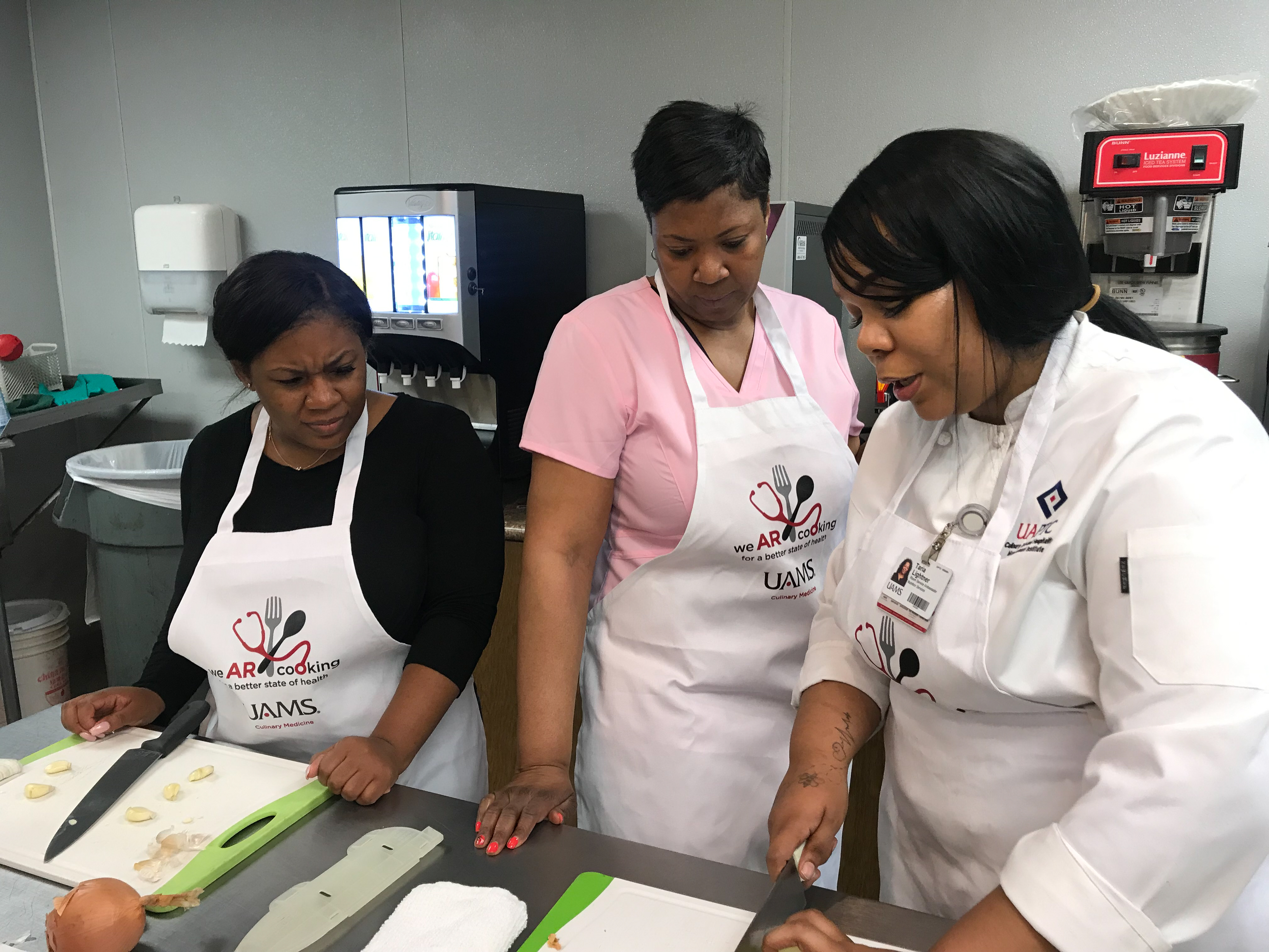
Lightner demonstrates proper technique to cutting onion and garlic.

Taria Lightner, who works in UAMS nutritional services, served as the chef for the evening. She is a student at the University of Arkansas – Pulaski Technical College Culinary Arts and Hospitality Management Institute.

Laura Norman, a registered dietitian, also offered her expertise. Norman works with patients in the UAMS Fertility and Reproductive Endocrinology Clinic on Mondays and Tuesdays. She organized meal planning for the class and led nutrition discussions.

Lightner started class with the basics: emphasizing the importance of clean hands and sanitized surfaces. Then she showed the students proper techniques for chopping onions and mincing garlic.

Gloria Richard-Davis, M.D. organized the class as an outreach aimed toward patients with polycystic ovarian syndrome (PCOS), a hormonal disorder that affects one in 10 women of reproductive age. It is a common and treatable cause of infertility. Richard-Davis is board certified in reproductive endocrinology and infertility. She has been working as director of the culinary medicine program.

Women with PCOS often have higher than normal insulin levels, Richard- Davis said. A diet high in refined carbohydrates can make insulin resistance more difficult to control.

Culinary Class displays finished meal.

A recent study showed that the DASH (Dietary Approaches to Stop Hypertension) is beneficial to patients with PCOS. The DASH diet is very similar to the Mediterranean diet, but adapted to American taste.

After the eight students practiced chopping and mincing, they separated into three groups. Each group would make one item on the menu. They prepared white fish with a chimichurri sauce, brown rice pilaf and a roasted vegetable medley.

UAMS has adopted the culinary medicine curriculum created by Timothy Harlan, M.D., executive director of the Goldring Center for Culinary Medicine at Tulane University. The Goldring Center, which opened in 2013, is the first culinary medicine center in a U.S. medical school. Since then, several schools across the country have adopted Tulane’s curriculum.

“They licensed their courseware to about 52 academic institutions,” Richard Davis said, “There was a collaborative effort among those academic institutions to do research to understand how to better teach patients the appreciation for food as medicine, or as the curriculum says ‘health meets food.’”

Lightener adds a dash of salt to the vegetable for roasting.

“Good nutrition is important to overall health,” Kaylee Lutrell, APRN, told the class. “When it comes to infertility a healthy diet is an important factor.”

Lutrell works in the fertility and endocrinology clinic with Richard-Davis. The class was one way the clinic commemorated Infertility Awareness Week.

“While a healthy diet won’t solve all infertility, it is certainly an added benefit we want all our patients to practice,” she said.

The amount of rainbow colors on a plate is another good indicator your food is nutritious, Lighten told the class.

Once the fish and vegetables were in the oven, and the rice was simmering on the stove, the women cleaned their prep areas and discussed how they could use their newly acquired knowledge.

Angel Smith of Little Rock, one of the students, lives with PCOS and is a patient of Richard-Davis. Smith has been on a weight loss journey and has changed her eating habits to include more fish and seafood.

“When I found out about this class, I thought it could give me more insight on meal ideas,” she said. “The food turned out wonderfully and has a good flavor.”

Filed Under: News

Cooking for a Healthier State

By David Wise

March 21, 2019 | “You are what you eat.”

“An apple a day keeps the doctor away.”

Most of us have heard phrases like these over the years. And many of us have taken them to heart because they sound like common sense. But we probably never thought much about the science that actually supports them.

Students working in a kitchen
Students from the UAMS Northwest Regional Campus prepare dishes based on the Mediterranean Diet.

Now, thanks to UAMS, when you go to the doctor, the prescription he or she gives you may include a grocery list.

That’s because the next generation of health care providers who study at UAMS, the state’s only health sciences university, will soon be taking courses in culinary medicine. The intent is to teach students, including those at the UAMS Northwest Regional Campus in Fayetteville, how to use food as medicine.

Why is UAMS adding culinary medicine to its curriculum? For starters, Arkansas ranks in the top 10 in the U.S. in three categories: obesity, diabetes and heart disease. Most of these conditions are preventable, and researchers, clinicians and educators across the country believe they can be addressed through culinary medicine.

“The opportunity to establish a comprehensive culinary medicine program at UAMS is something we believe will benefit our students, our patients and the state we serve,” said Stephanie Gardner, Pharm.D., Ed.D., UAMS senior vice chancellor for academic affairs and provost.

Since last summer, Gardner has been leading an internal group to explore how UAMS can integrate culinary medicine into its curriculum. In July, UAMS held its first meeting to gauge interest.

“We discovered there were many people who were already working in this area – where nutrition education overlaps with the cooking arts, healthy living and good food,” she said.

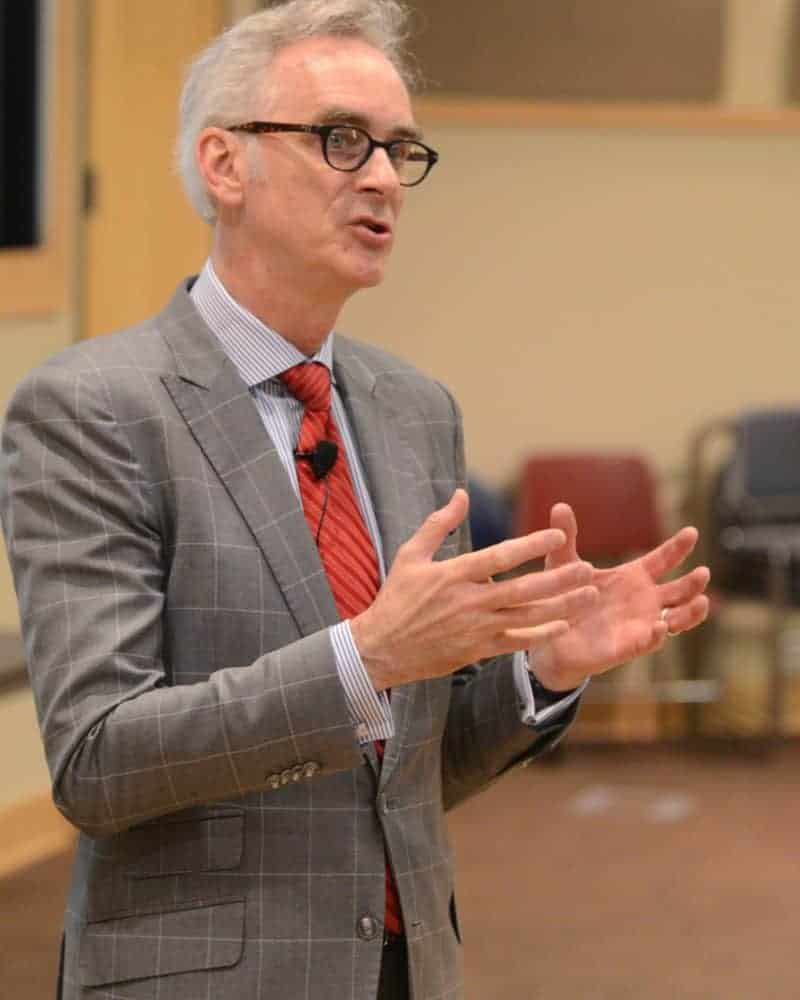
Dr. Harlan speaking
Culinary medicine works in conjunction with health coaching, nutrition counseling, exercise, medications, and other elements as part of an overall approach to improve a patient’s health and lifestyle, according to Timothy Harlan, M.D., executive director of the Goldring Center for Culinary Medicine at Tulane University.

UAMS decided to adopt the culinary medicine curriculum created by Timothy Harlan, M.D., executive director of the Goldring Center for Culinary Medicine at Tulane University. The Goldring Center, which opened in 2013, is the first culinary medicine center in a U.S. medical school.

“We are fortunate to be paring up with the Goldring Center, which has really been the leader and founder of culinary medicine,” said UAMS Chancellor Cam Patterson, M.D., M.B.A. “This has turned into a statewide tidal wave with a lot of enthusiasm.”

Since that initial meeting, volunteers from across UAMS have been meeting to discuss how culinary medicine could be integrated into the College of Medicine and interprofessional education (IPE) curriculum, community engagement, continuing education, and scholarship and research.

“We believe we are cooking for a healthier Arkansas,” said Gloria Richard-Davis, M.D., program director. “There’s a benefit not only for our patients, but also for our students. They’ll learn to take better care of themselves, and I think they’ll have a great time doing it.”

In October, UAMS showcased its plans for the new curriculum, and the UAMS campuses in Little Rock and Fayetteville participated in activities related to culinary medicine.

  • A group of medical students in Little Rock went to the teaching kitchen of the Culinary Arts Institute at UA Pulaski Tech, where the students prepared a meal for the chancellor.
  • The IPE group in Little Rock hosted a student cooking challenge as part of a case study involving federal SNAP benefits.
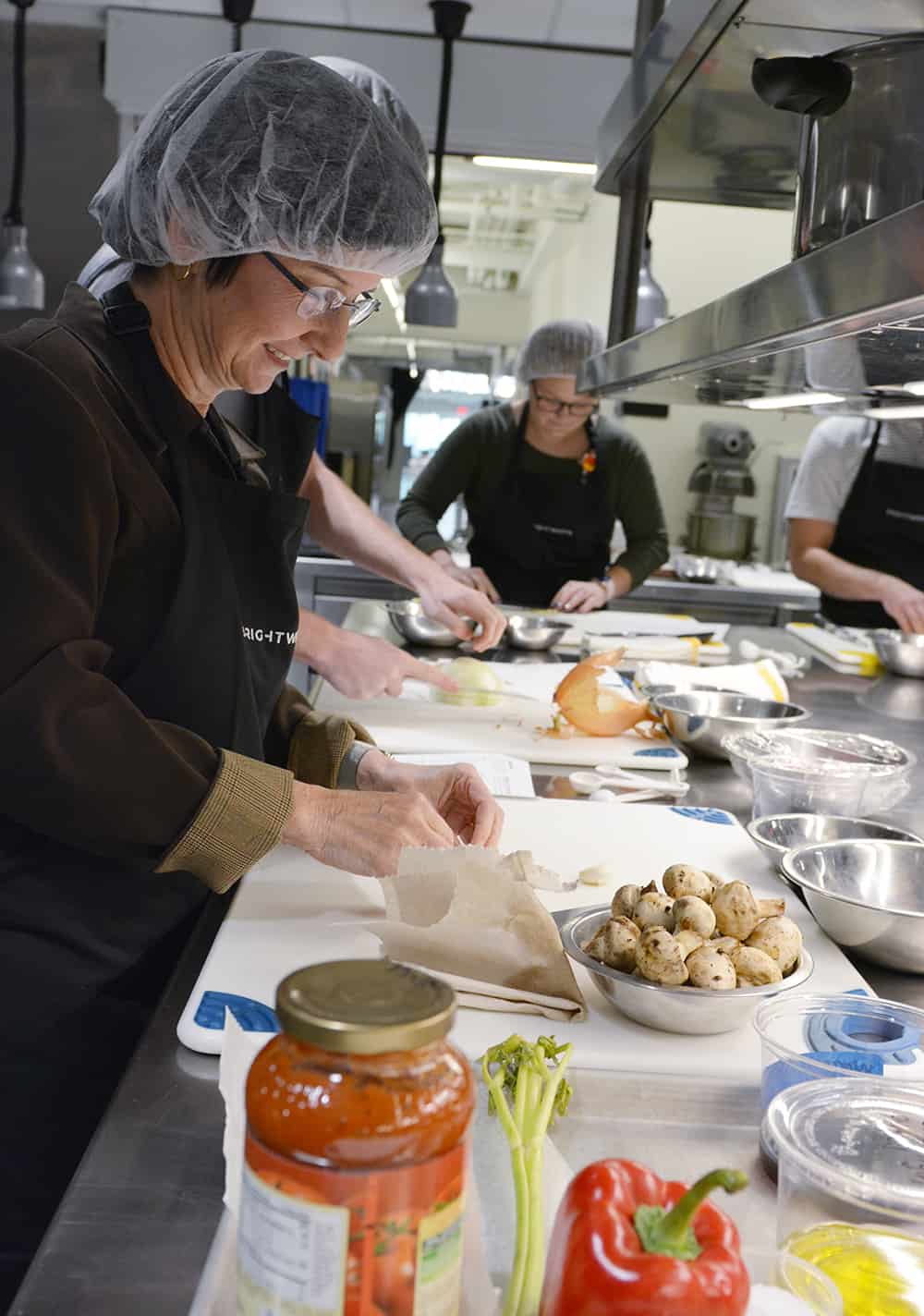
  • UAMS Northwest Regional Campus students and faculty from multiple departments (medicine, pharmacy and physical therapy) attended a culinary medicine workshop at Brightwater: A Center for the Study of Food in Bentonville.

According to Angel Holland, D.P.T., Ed.D., director of clinical education and associate director of the IPE program at the Northwest Campus, UAMS is seeking to integrate culinary medicine into all its health profession curricula. That way, doctors, nurses, pharmacists, physical therapists and more will be better equipped to help their patients make healthy lifestyle choices.

People working in a commercial kitchen
The Mediterranean Diet, inspired by the eating habits of those living in the European countries on the Mediterranean sea where the populations have lower rates of the above chronic conditions, is an important part of the treatment plan that Timothy Harlan, M.D., executive director of the Goldring Center for Culinary Medicine at Tulane University, prescribes for his patients.

Pearl McElfish, Ph.D., vice chancellor for the Northwest Campus, pointed out how culinary medicine complements the food systems work UAMS is doing in Northwest Arkansas and across the state. Over the last four years, its research division has received more than $10 million in grants for investment in community health, including healthy food systems.

“UAMS has a robust history of policies, systems and programs to help improve food systems,” McElfish said. “The next step is training all our students how to talk to their patients about making healthy food choices.”

To continue the momentum, the Northwest Campus is inviting some local health care providers and leaders to an event at Brightwater later this year. The event will give them a chance to experience culinary medicine and explore a new way to bring health and wellness to our community.

So the next time you visit your doctor, don’t be surprised if he or she asks you what you had for lunch.

This article first appeared in the March issue of Celebrate Arkansas and has been reprinted with permission.

Filed Under: News

  • «Previous Page
  • Page 1
  • Page 2
  • Page 3
  • Page 4
  • Page 5
  • Next Page»
University of Arkansas for Medical Sciences LogoUniversity of Arkansas for Medical SciencesUniversity of Arkansas for Medical Sciences
Mailing Address: 4301 West Markham Street, Little Rock, AR 72205
Phone: (501) 686-7000
  • Facebook
  • X
  • Instagram
  • YouTube
  • LinkedIn
  • Disclaimer
  • Terms of Use
  • Privacy Statement
  • Legal Notices

© 2026 University of Arkansas for Medical Sciences